Tuesday, May 18, 2010

Numbers 7-8


Offering of the Tribes
When the tabernacle was completely set up, Moses anointed and consecrated it. Then the leaders of all the tribes came forth to give their offerings. Carts and oxen were given to the Levites, Gershonites and Mararites to enable them to do their work. However, the Kohathites did not get anything because they had to carry the holy items on their shoulders. (!)

Then, the next 12 days, each of the tribes took turns bringing the same exact offering:

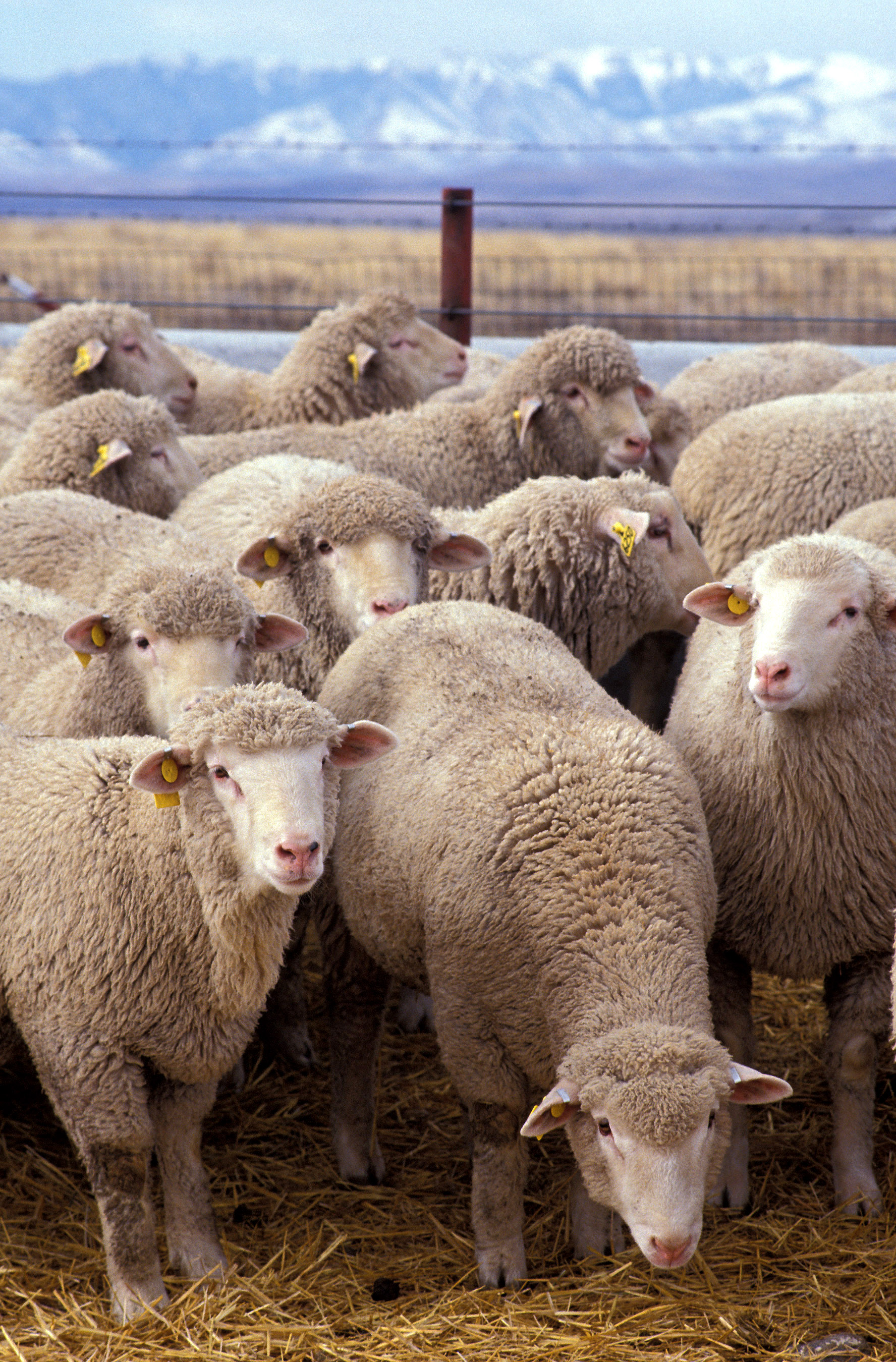
One silver plate weighing a hundred and thirty shekels, [a] and one silver sprinkling bowl weighing seventy shekels, [b] both according to the sanctuary shekel, each filled with fine flour mixed with oil as a grain offering; 14 one gold dish weighing ten shekels, [c] filled with incense; 15 one young bull, one ram and one male lamb a year old, for a burnt offering; 16 one male goat for a sin offering; 17 and two oxen, five rams, five male goats and five male lambs a year old, to be sacrificed as a fellowship offering.
Moses then entered the Tent of Meeting to speak with the Lord.

God told Moses to ask Aaron to set up the 7 lamps to light the area in front of the lampstand, which Aaron happily obliged.

Levites Are Important!
God again emphasizes and declares that the Levites are wholly His in exchange for all the firstborns in Israel. He has given the Levites to the Israelites to do the work at the Tent of Meeting on behalf of the Israelites so that they will not suffer plagues.

God instructed the Levites to remain ceremonially clean. Aaron would then present the Levites as a wave offering to the Lord.

Levites between the ages of 25-50 would work. After 50, they can help out, but are essentially retired.

Monday, May 17, 2010

Numbers 5-6

Here we start to see some laws that were set out.

1. Unclean People Sent Away
Ceremonial unclean Israelites (e.g., infectious disease, discharge, etc) had to leave the camp so that they did not defile the camp.

2. Restitution for Sins
When one wrongs another, he must confess his sin, make FULL restitution for his wrong, and then add 1/5 to it and give it back to the person he has wronged. If that person has no close relative to whom restitution can be made, then he must give it to the priest. Would you give it to a relative if, for some reason, that person is gone? Like . . if you'd killed him or something?? I'm a little unclear on the relative part.

3. How to Know If Your Wife Has Cheated On You
If a husband suspects his wife is cheating on him and feels jealous, he can bring his wife to the priest. He must bring a grain offering for jealousy, a "reminder offering to draw attention to guilt."

The priest takes some holy water, puts it in a clay jar, and adds dust from the tabernacle floor. The water is bitter. The priest then recites the following oath/curse:

"If no other man has slept with you and you have not gone astray and become impure while married to your husband, may this bitter water that brings a curse not harm you. 20 But if you have gone astray while married to your husband and you have defiled yourself by sleeping with a man other than your husband may the LORD cause your people to curse and denounce you when he causes your thigh to waste away and your abdomen to swell. May this water that brings a curse enter your body so that your abdomen swells and your thigh wastes away."

The woman then drinks the bitter water. If the woman has really cheated, these things will happen to her and she will suffer greatly.

Numbers 6 goes into describing the Nazarites, people who have decided to make a vow of separation for the Lord. During the time of separation, these people cannot cut their hair, nor drink wine. Furthermore, they cannot be in the presence of a dead body. If they are, they must shave their heads and present burnt offerings as an atonement for the sin of being in the presence of a dead body. At the end of the period of separation, he is to shave off the hair of his dedication and the priest will present several offerings to God.

Numbers 3-4

Numbers 3 is about Aaron and the Levites. Only Aaron's descendants were priests and the Levites were appointed by God to serve them. "The Lord also said to Moses, “I have taken the Levites from among the Israelites in place of the first male offspring of every Israelite woman. The Levites are mine, for all the firstborn are mine. When I struck down all the firstborn in Egypt, I set apart for myself every firstborn in Israel, whether man or animal. They are to be mine. I am the Lord.” God says this three times in this chapter, so it must be important!

God instructed Moses to count all the Levites by their families and clans and also to count every male a month old or more. The chief leader of the Levites was Eleazar, who was one of Aaron's sons. Since Aaron's two oldest sons died, Eleazar was the next oldest. He was appointed over those who were responsible for the care of the sanctuary.

The rest is just taking census of the Levites. There were clans within the Levites, and each clan had a specific duty, like taking care of the furniture or taking care of the building structure.

Now that they are moving, they need to pack everything up. Everything was holy so they needed to cover everything. Only the priests were allowed to touch it. If a Levite touched a holy object, they would die. Numbers 4:6 says to cover the ark of the Testimony with hides of sea cows (NASB says porpoise, KJV says badger..so the translations are wildly different). What I don't get is where would they find a manatee? Aren't they in the desert?

Sunday, May 16, 2010

Numbers 1-2

This passage is good timing because it's about the census, and our country is also conducting a census right now. However, this is mainly for a military draft. The current US census is for social services and redistributing electoral college votes (we have something similar for young men called the Selective Draft though).

God told Moses to conduct a census and to count all the men and their families older than 20 years who can go to war. The head from each tribe is going to help conduct the census. The tribes ranging from 30-70 thousand people. The tribe of Levi wasn't counted in the census because they're responsible for the tabernacle, so I'm assuming they don't have to fight in the war.

Now the camps have to organize themselves before they go into the Promised Land. They were to camp around the Tent of Meeting, and God instructed where each tribe should be in relation to the Tent and who should set out first - east, west, north, or south of the Tent. The Levites set out in the middle of the camps. In all, they totaled 603,550 people (minus the Levites).

Thursday, May 13, 2010

Leviticus 25-27

Now we start talking about the Sabbath and the Year of Jubilee!

Sabbath
Every 7 years the Israelites were not to farm, and instead were supposed to let the land rest. I'm a little confused. God says not to reap or harvest, but then He also says "whatever the land yields during the sabbath year will be food for you." How to you eat if you don't reap or harvest?
Harvesting Kong Xin Tsai
Jen harvesting in Pastor Chuck's garden

Jubilee
The theme of the "Jubilee" seems to be redemption.  A time when everyone returns back to their homes and reclaims what was once theirs.

The Jubilee only occurs once every 7 Sabbath years (7x7 = 49 years) = Day of Atonement. On the 50th year, consecrate the land and proclaim liberty for all its inhabitants! In the year of the Jubilee everyone returns to his own property.
Pay fair prices according to the number of years from the Jubilee.

God then lays down some rules regarding property and land with respect to the Jubilee.  For example, if a person becomes poor and sells himself, you should not treat him as a slave, but treat him as a hired hand until the Jubilee, at which point you should release him to return to his clan/ his family.

Certain properties can always be redeemed at the Jubilee, like houses in villages without walls and the property of Levites.  Other properties, like the open pastureland belonging to towns or a house in a walled city not redeemed within a year, are NOT returned during the Jubilee. In fact, pasturelands can never be sold - they permanently belong to the towns.

God emphasizes that they could never make a fellow Israelite a slave. The "servant" could always be redeemed. God saw the Israelites as "his servants" not as slaves.

Wednesday, May 12, 2010

Leviticus 23-24

OOh this next section is about sacred feasts: Passover, Unleavened Bread, Firstfruits, Pentecost, Feast of Trumpets (Rosh Hashanah), Day of Atonement (Yom Kippur) and Feast of Tabernacles (Sukkot)! But before he starts to talk about the feasts, he mentions that the seventh day of the week is a Sabbath day and we don't do any work. You aren't to do any work on a sacred feast day either. Some of these last for 7 days, so you don't do work on the first and last days.

Passover - celebrated on the 14th day of the 1st month.
Unleavened Bread - day after Passover. Don't eat bread with yeast for 7 days.
Firstfruit - bring the first grain you harvest to the priest. Bring a burn offering of the lamb along with your grain offering. No bread or grain until you bring this offering to God.
Feast of Pentecost - count off 7 weeks and present an offering of new grain to God and a burnt offering of seven male lambs, one young bull, and two rams.
Feast of Trumpets (Rosh Hashanah) - celebrated by trumpet blasts.
Day of Atonement (Yom Kippur) - celebrated on the tenth day of the seventh month. Anyone who works today will be destroyed.
Feast of Tabernacles (Sukkot) - celebrated on the fifteenth day of the seventh month. Present offerings to God for 7 days.

I'm not sure what a booth looks like, but you have to live in one for 7 days to commemorate when they were brought out of Egypt.

The lamps outside of the Testimony in the Tent of Meeting is supposed to burn continually, so the Lord commanded the Israelites to bring olive oil. Bread should be set out before the Lord regularly as a lasting covenant. It belongs to Aaron and his sons, who eat it in a holy place, because it is a most holy part of the offerings.

The case of the blasphemer

A fight broke out between a half-Egyptian, half-Israelite and an Israelite. The mixed ethnic guy cursed God, so they brought him to Moses. The Lord said to Moses that anyone who blasphemes the name of the Lord must be put to death. The town heard that and stoned the guy to death. God also brought up more punishments like life for life, tooth for tooth, eye for eye.

Monday, May 10, 2010

Leviticus 21-22

Rules for Priests
God begins to give rules for priests. A priest can't make himself unclean except in very rare circumstances (e.g., for a close relative). They can't shave their heads nor their beards. They must be holy because God is holy. For example, they can't marry divorced women or prostitutes. They must marry a virgin. Even the descendants of Aaron cannot come near to offer food to God if they have defect (e.g., disfigured, blind, etc). They can eat the holy food, they just can't present it.

Priests cannot come near the offerings if they are unclean. Only priests can eat the sacred offerings. If a priest's daughter marries a non-priest, she cannot eat the sacred offerings anymore.

Unacceptable Sacrifices
God describes how an offering must be a make without defect. Can't offer blind, lame, ingured, mained animals. God also says not to slaughter a cow and its young on the same day. Furthermore, don't accept them as gifts from foreigners.

Finally, God ends by reiterating the decree - Keep my commands and follow them."