The Israelites arrived at the desert at Zin, where Miriam died. There was no water, so the Israelites started grumbling. Moses and Aaron went to the Tent of Meeting, where God told them to strike a rock with a rod. Moses did so, and water came gushing out.
God, however, was angry that Moses & Aaron did not trust Him enough to honor him as holy in the sight of the Israelites, He told them they would not have the privilege of bringing the community into the promised land.
The Israelites then approached Edom and asked if they could pass through their land. The Edomites said no, threatening to attack them "with the sword" if they tried. The Israelite saw the big armies and decided not to try passing through.
The Israelites moved on to Mt. Hor. There, God repeated that Aaron would never enter the land and would die there. God told Moses to take Aaron's garments and put them on his son Eleazar.
The Canaanite king then heard the Israelites were passing through, and captured many. The Israelites pleaded with God, promising to destroy Canaanites if God delivered the Israelites. God heard them, and the Israelites responded by destroying all the Canaanites.
The Israelites then took a circuitous route to get around Edom. While on that long detour, they started to grumble again at their harsh conditions. God sent venomous snakes who killed many of them. The Israelites repented and begged for mercy. God then told Moses to make a snake and put it on a pole. Whoever looked at the snake would live. Moses crafted a snake out of bronze and the Israelites were saved.
The Israelites then moved onto Oboth, and then Beer, where (lol!) God gave them water.
The Israelites then asked for permission to pass through the Amorites' land. The Amorite king refused, and there was a huge battle. The Israelites captured the Amorites, occupied the land, and settled there. They continued to take surrounding lands, and also defeated the king of Bashan.
The Israelites then moved on to camp along the Jordan near Jericho at the plains of Moab. The Moabites saw them coming but were freak out because they had heard of how the Israelites had defeated all these other lands. They summoned Balaam (who, I guess, they knew was a prophet???) to curse the Israelites.
Balaam told them he had to talk to God and he'd get back to them the next day. God told Balaam he could not curse the Israelites because they were blessed. Balaam came back and told Balek he could not curse them.
Balek sent more distinguished people to talk to Balaam and tried to bribe him. Finally, God told Balaam he could to Balek, but he must do what God told him to do.
The next morning Balaam set out on a donkey. God was angry so he tried to stop Balaam several times by putting an angel of the Lord in Balaam's path. The donkey would see the angel, freak out and try to turn around, but Balaam would get angry and beat the donkey. The third time, God gave the donkey the ability to speak to Balaam. Balaam was angry and accused the donkey of making a fool of him, and how he would kill the donkey if he had a sword.
Suddenly, God opened Balaam's eyes and he saw the angel there. He repented. God told him to go, but to "only speak when I tell him."
When Balaam saw Balek, he told Balek he could only speak what the Lord told him.
Saturday, May 29, 2010

Wednesday, May 26, 2010
Numbers 17-19
God decided to stop the grumbling by clearly showing the Israelites who he had chosen. Moses took staffs from each leader of the 12 ancestral tribes. They placed the staffs in front of the Tent of Meeting. The next morning, Aaron's staff had budded, flowered, and grown some ALMONDS!
God told Moses to put the staff at the entrance of the Tent of Meeting as a sign of the rebellion. The Israelites feared they would all die.
God outlined at the duties of the Levites. They had to take care of the Tent of Meeting, offer sacrifices and offerings. God specifically said that everyone had to tithe 10% and this money would be given to Aaron and the Levites as their inheritance, since they would not inherit any land. The Levites also had to present 10% of their wages (which came from the Israelites' tithes) to God as an offering as well.
God told the Levites to redeem every first born unclean animal, but not the clean "holy" animals. Instead, the fat and blood of the holy animals would be offered to God. The Levites could eat the meat.
God then gave instructions on how to make water for cleansing. Take a red heifer (who has never been yoked), give it to Eleazar the priest, who will slaughter it and burn it. At this point, the priest is unclean. He must bathe, but he will be unclean until morning.
A clean person then takes the ashes to a place outside the camp. The ashes will be used for washing, for purification from sin. Now this previously clean person is also unclean, and will remain so until evening.
God then tells them rules concerning dead bodies. Essentially, if you are in the presence of one, you are unclean for 7 days. The unclean person can wash himself with the cleansing water. A clean person can then dip hyssop in the water and sprinkle it all over the places where the dead body had been.
Now the clean guy sprinkling the water becomes unclean. Anyone who touches the water of cleansing becomes unclean. He must wash his clothes and wait until evening.
Man, lots of contamination happens!
God told Moses to put the staff at the entrance of the Tent of Meeting as a sign of the rebellion. The Israelites feared they would all die.
God outlined at the duties of the Levites. They had to take care of the Tent of Meeting, offer sacrifices and offerings. God specifically said that everyone had to tithe 10% and this money would be given to Aaron and the Levites as their inheritance, since they would not inherit any land. The Levites also had to present 10% of their wages (which came from the Israelites' tithes) to God as an offering as well.
God told the Levites to redeem every first born unclean animal, but not the clean "holy" animals. Instead, the fat and blood of the holy animals would be offered to God. The Levites could eat the meat.
God then gave instructions on how to make water for cleansing. Take a red heifer (who has never been yoked), give it to Eleazar the priest, who will slaughter it and burn it. At this point, the priest is unclean. He must bathe, but he will be unclean until morning.
A clean person then takes the ashes to a place outside the camp. The ashes will be used for washing, for purification from sin. Now this previously clean person is also unclean, and will remain so until evening.
God then tells them rules concerning dead bodies. Essentially, if you are in the presence of one, you are unclean for 7 days. The unclean person can wash himself with the cleansing water. A clean person can then dip hyssop in the water and sprinkle it all over the places where the dead body had been.
Now the clean guy sprinkling the water becomes unclean. Anyone who touches the water of cleansing becomes unclean. He must wash his clothes and wait until evening.
Man, lots of contamination happens!
Numbers 15-16
God tells them to prepare an offering after they enter the promised land and every time of the first of your ground meal, and it will be an aroma pleasing to God. It sounds like everyone (including aliens) should bring an offering to God, and that it should be an animal (ram or bull) with grain or wine.
If you unintentionally fail to obey God's commandments, the the whole community has to offer a young bull as an burnt offering, and they also have to bring stuff for grain, drink and sin offerings. That is a lot of offerings, but this is the only way they will be forgiven. But if you knowingly sin and break one of the commandments, then you are cut off from the rest of the people. Then the passage segues into a story about a guy who was found working on the Sabbath and was gathering wood. The village stoned him to death (Harsh! So glad that we don't get stoned for doing chores).
Now God said to Moses that the Israelites have to make blue tassels and wear them on their garments to remind themselves of the commandments.
A Levite named Korah rebels against Moses with 250 Israelites, who were well known community leaders. They accused him of being holier than everyone else. Moses responded by saying that the Levites have gone too far and the Lord will show who is holy tomorrow. They seem to be jealous that they don't get to be priests and that they have not reached the promised land yet. Moses was really angry and told God not to accept their offering. He told the people that they all had to take their incense container and put fire and incense in it, even Aaron. They obeyed Moses. God told Moses and Aaron to move away from the group so he can kill them, but they pleaded with him not to kill all of them when only one guy is responsible. Instead God told him to move the others away, and then created an earthquake to kill the Korah and his family, where the earth literally swallowed them up and the earth closed over them. When Korah's supporters saw that the men were swallowed alive, they panicked too, and then God burned them alive. Aaron had to take the incense containers and scatter the remains. The containers are holy, so they were to flatten them out and put them on the altar and become a sign to the Israelites that no one but the priests should burn incense before God.
People blamed Moses and Aaron for killing those people. God was upset again and planned to kill them. Aaron rushed to make atonement for them but the plague had already started. 14,700 people died from the plague. Wow lots of people died from sin in this passage!
If you unintentionally fail to obey God's commandments, the the whole community has to offer a young bull as an burnt offering, and they also have to bring stuff for grain, drink and sin offerings. That is a lot of offerings, but this is the only way they will be forgiven. But if you knowingly sin and break one of the commandments, then you are cut off from the rest of the people. Then the passage segues into a story about a guy who was found working on the Sabbath and was gathering wood. The village stoned him to death (Harsh! So glad that we don't get stoned for doing chores).
Now God said to Moses that the Israelites have to make blue tassels and wear them on their garments to remind themselves of the commandments.
A Levite named Korah rebels against Moses with 250 Israelites, who were well known community leaders. They accused him of being holier than everyone else. Moses responded by saying that the Levites have gone too far and the Lord will show who is holy tomorrow. They seem to be jealous that they don't get to be priests and that they have not reached the promised land yet. Moses was really angry and told God not to accept their offering. He told the people that they all had to take their incense container and put fire and incense in it, even Aaron. They obeyed Moses. God told Moses and Aaron to move away from the group so he can kill them, but they pleaded with him not to kill all of them when only one guy is responsible. Instead God told him to move the others away, and then created an earthquake to kill the Korah and his family, where the earth literally swallowed them up and the earth closed over them. When Korah's supporters saw that the men were swallowed alive, they panicked too, and then God burned them alive. Aaron had to take the incense containers and scatter the remains. The containers are holy, so they were to flatten them out and put them on the altar and become a sign to the Israelites that no one but the priests should burn incense before God.
People blamed Moses and Aaron for killing those people. God was upset again and planned to kill them. Aaron rushed to make atonement for them but the plague had already started. 14,700 people died from the plague. Wow lots of people died from sin in this passage!
Tuesday, May 25, 2010
Numbers 12-14
Moses had been married a long time to Zipporah, so for Miriam and Aaron to be upset now at Moses for marrying a Cushite (now modern day Ethiopia) probably meant that he recently remarried or took a second wife. It doesn't say why they didn't like her, but some commentaries believe it was due to the color of her skin. They also started questioning his spiritual authority. God heard the accusation and told all three of them to come out to the Tent of Meeting. God came down in a pillar of cloud and defended Moses and how he's very special because God talks to prophets in dreams, but God actually talks to Moses face to face because Moses is humble. God leaves angrily, and then immediately Miriam contracted leprosy. Both Aaron and Moses plead with God to heal her. God said to quarantine her for 7 days, and she'll be healed.
God tells Moses to send one of its leaders from each tribe to explore Canaan because he will be giving that land to the Israelites. They went to do some recon for 40 days to see what the people who inhabit the land were like and if they were unwalled or fortified.
When they came back, they reported that the land indeed flowed with milk and honey. However, the cities are fortified and lots of different powerful tribes live there. A man named Caleb said that they are certainly able to take possession of the land. The rest of the recon team rebeled and said the inhabitants are so big that they looked like grasshoppers compared to them. Then the Israelites started to complain again and wanted to go back to Egypt and die there instead of dying in war. They wanted to pick a new leader to lead them back to Egypt. Joshua spoke to them and told them not to rebel against God and be afraid. Instead, the people wanted to stone them. God wanted to destroy them, but Moses pleaded with God, saying that other nations will hear that God did not deliver his people to the land he promised. God forgives the Israelites, but he says that all the people older than 20 who disobeyed him will never see the land, except for Caleb and his people. God said they will suffer for 40 years, until the last person in the first generation dies. The recon team, however, were killed immediately of a plague (only Joshua and Caleb survived). The Israelites mourned and then told Moses that they will go to the place the Lord promised now. However, they can't go there now because God was not with them and they would lose. They still didn't listen, and so they lost the battle.
God tells Moses to send one of its leaders from each tribe to explore Canaan because he will be giving that land to the Israelites. They went to do some recon for 40 days to see what the people who inhabit the land were like and if they were unwalled or fortified.
When they came back, they reported that the land indeed flowed with milk and honey. However, the cities are fortified and lots of different powerful tribes live there. A man named Caleb said that they are certainly able to take possession of the land. The rest of the recon team rebeled and said the inhabitants are so big that they looked like grasshoppers compared to them. Then the Israelites started to complain again and wanted to go back to Egypt and die there instead of dying in war. They wanted to pick a new leader to lead them back to Egypt. Joshua spoke to them and told them not to rebel against God and be afraid. Instead, the people wanted to stone them. God wanted to destroy them, but Moses pleaded with God, saying that other nations will hear that God did not deliver his people to the land he promised. God forgives the Israelites, but he says that all the people older than 20 who disobeyed him will never see the land, except for Caleb and his people. God said they will suffer for 40 years, until the last person in the first generation dies. The recon team, however, were killed immediately of a plague (only Joshua and Caleb survived). The Israelites mourned and then told Moses that they will go to the place the Lord promised now. However, they can't go there now because God was not with them and they would lose. They still didn't listen, and so they lost the battle.
Tuesday, May 18, 2010
Numbers 9-11
Passover
A little after two years following the escape for Egypt, the Lord told the Israelites to celebrate the Passover. Some, however, were ceremonially unclean at the time, and didn't know what to do. After consulting with God, Moses told the Israelites they should still ALL observe the Passover, but with on the 14th day of the SECOND month (not the first month), and they should eat lamb.
God is very serious about this, and says that anyone who is clean, not on a journey, and does not celebrate the Passover with be "cut off from his people" and will "bear the consequences of sin." Even aliens living amongst them have to celebrate the Passover.

Cloud
God guided the people in a cloud/fire. By day it was a cloud, by night it was fire. Whenever the cloud lifted from the tabernacle, the Israelites knew it was time to move on (and wander some more). Sometimes they would stay in a location for days, sometimes for months. They never really knew, they just obeyed.
Fire
Some complained of the hardship of hearing the Lord. God got mad, sent down fire from heaven, and "consumed some of the outskirts of the camp." The people cried to Moses, who prayed to God. The fire went down.
Lesson: craving Meat

The Israelites were getting sick of manna, which they gathered, ground up, and baked into the same olive-oil flavored cakes everyday. They started complaining that they wanted meat. They longed for the days in Egypt when they could eat cucumbers, leeks, garlic, and other fine tasting foods. Moses complained to God saying he couldn't stand leading these grumbling people anymore, and asked God to just "kill me now!"
God asked Moses to gather 70 elders so he could put the Spirit on the 70 elders so they could help out Moses. As the Spirit came onto the elders, they all began prophesying. In fact, a few other non-elders were also filled with the Spirit and started prophesying.
 God then sent wind, which brought in TONS of quail from the sea. The Israelites hungrily gathered tons of quail and cooked it to eat. Yet, while the meat was between their teeth and before they could swallow, the Lord's anger BURNED and he struck them with a huge plague.
They buried the Israelites were had been hungry and have craved meat.
A little after two years following the escape for Egypt, the Lord told the Israelites to celebrate the Passover. Some, however, were ceremonially unclean at the time, and didn't know what to do. After consulting with God, Moses told the Israelites they should still ALL observe the Passover, but with on the 14th day of the SECOND month (not the first month), and they should eat lamb.
God is very serious about this, and says that anyone who is clean, not on a journey, and does not celebrate the Passover with be "cut off from his people" and will "bear the consequences of sin." Even aliens living amongst them have to celebrate the Passover.
Cloud
God guided the people in a cloud/fire. By day it was a cloud, by night it was fire. Whenever the cloud lifted from the tabernacle, the Israelites knew it was time to move on (and wander some more). Sometimes they would stay in a location for days, sometimes for months. They never really knew, they just obeyed.
Fire
Some complained of the hardship of hearing the Lord. God got mad, sent down fire from heaven, and "consumed some of the outskirts of the camp." The people cried to Moses, who prayed to God. The fire went down.
Lesson: craving Meat
The Israelites were getting sick of manna, which they gathered, ground up, and baked into the same olive-oil flavored cakes everyday. They started complaining that they wanted meat. They longed for the days in Egypt when they could eat cucumbers, leeks, garlic, and other fine tasting foods. Moses complained to God saying he couldn't stand leading these grumbling people anymore, and asked God to just "kill me now!"
God asked Moses to gather 70 elders so he could put the Spirit on the 70 elders so they could help out Moses. As the Spirit came onto the elders, they all began prophesying. In fact, a few other non-elders were also filled with the Spirit and started prophesying.

They buried the Israelites were had been hungry and have craved meat.
Numbers 7-8
.jpg)
Offering of the Tribes
When the tabernacle was completely set up, Moses anointed and consecrated it. Then the leaders of all the tribes came forth to give their offerings. Carts and oxen were given to the Levites, Gershonites and Mararites to enable them to do their work. However, the Kohathites did not get anything because they had to carry the holy items on their shoulders. (!)
Then, the next 12 days, each of the tribes took turns bringing the same exact offering:
One silver plate weighing a hundred and thirty shekels, [a] and one silver sprinkling bowl weighing seventy shekels, [b] both according to the sanctuary shekel, each filled with fine flour mixed with oil as a grain offering; 14 one gold dish weighing ten shekels, [c] filled with incense; 15 one young bull, one ram and one male lamb a year old, for a burnt offering; 16 one male goat for a sin offering; 17 and two oxen, five rams, five male goats and five male lambs a year old, to be sacrificed as a fellowship offering.
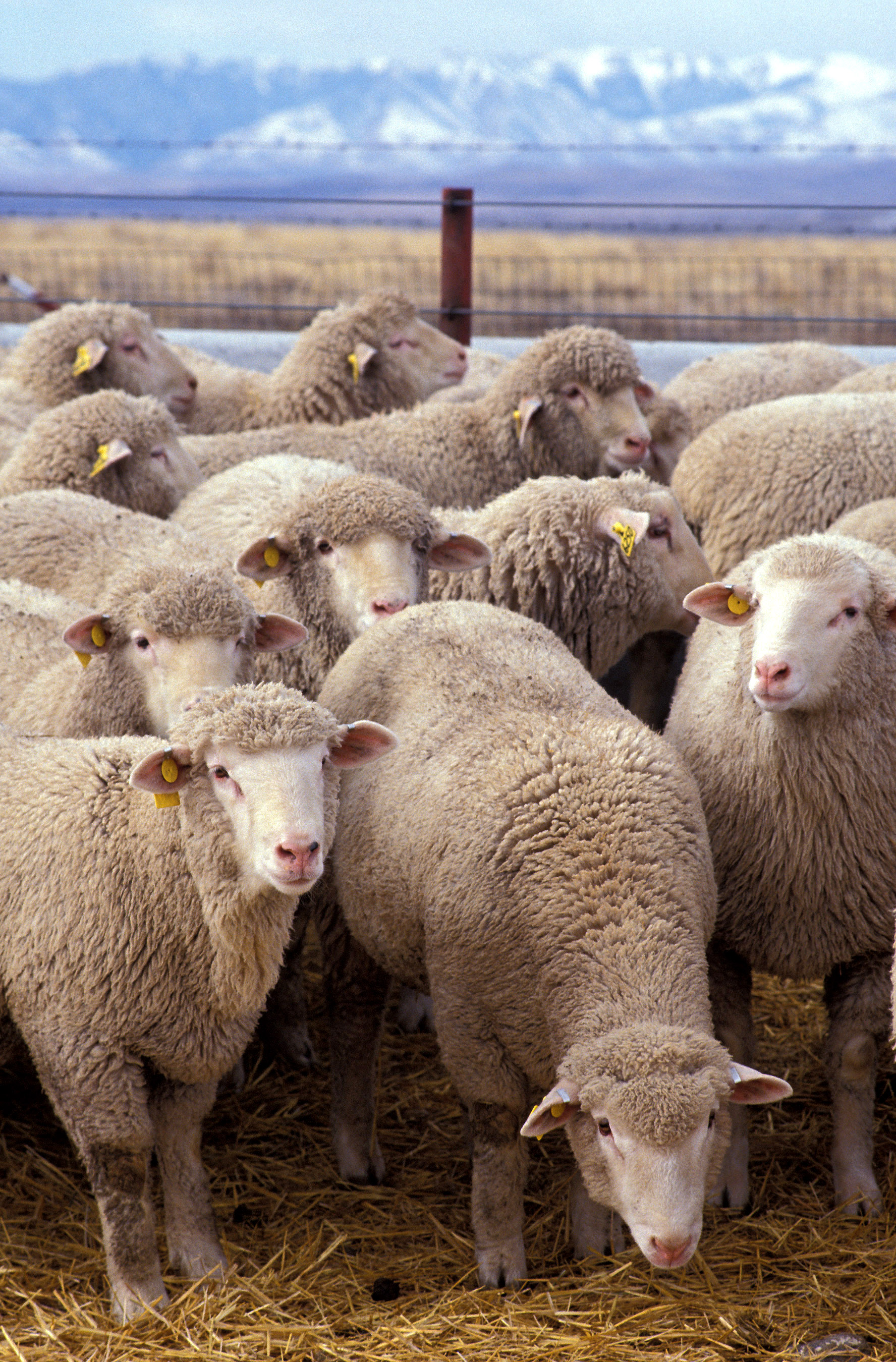
Moses then entered the Tent of Meeting to speak with the Lord.
God told Moses to ask Aaron to set up the 7 lamps to light the area in front of the lampstand, which Aaron happily obliged.
Levites Are Important!
God again emphasizes and declares that the Levites are wholly His in exchange for all the firstborns in Israel. He has given the Levites to the Israelites to do the work at the Tent of Meeting on behalf of the Israelites so that they will not suffer plagues.
God instructed the Levites to remain ceremonially clean. Aaron would then present the Levites as a wave offering to the Lord.
Levites between the ages of 25-50 would work. After 50, they can help out, but are essentially retired.
Monday, May 17, 2010
Numbers 5-6
Here we start to see some laws that were set out.
1. Unclean People Sent Away
Ceremonial unclean Israelites (e.g., infectious disease, discharge, etc) had to leave the camp so that they did not defile the camp.
2. Restitution for Sins
When one wrongs another, he must confess his sin, make FULL restitution for his wrong, and then add 1/5 to it and give it back to the person he has wronged. If that person has no close relative to whom restitution can be made, then he must give it to the priest. Would you give it to a relative if, for some reason, that person is gone? Like . . if you'd killed him or something?? I'm a little unclear on the relative part.
3. How to Know If Your Wife Has Cheated On You
If a husband suspects his wife is cheating on him and feels jealous, he can bring his wife to the priest. He must bring a grain offering for jealousy, a "reminder offering to draw attention to guilt."
The priest takes some holy water, puts it in a clay jar, and adds dust from the tabernacle floor. The water is bitter. The priest then recites the following oath/curse:
"If no other man has slept with you and you have not gone astray and become impure while married to your husband, may this bitter water that brings a curse not harm you. 20 But if you have gone astray while married to your husband and you have defiled yourself by sleeping with a man other than your husband may the LORD cause your people to curse and denounce you when he causes your thigh to waste away and your abdomen to swell. May this water that brings a curse enter your body so that your abdomen swells and your thigh wastes away."
The woman then drinks the bitter water. If the woman has really cheated, these things will happen to her and she will suffer greatly.
Numbers 6 goes into describing the Nazarites, people who have decided to make a vow of separation for the Lord. During the time of separation, these people cannot cut their hair, nor drink wine. Furthermore, they cannot be in the presence of a dead body. If they are, they must shave their heads and present burnt offerings as an atonement for the sin of being in the presence of a dead body. At the end of the period of separation, he is to shave off the hair of his dedication and the priest will present several offerings to God.
1. Unclean People Sent Away
Ceremonial unclean Israelites (e.g., infectious disease, discharge, etc) had to leave the camp so that they did not defile the camp.
2. Restitution for Sins
When one wrongs another, he must confess his sin, make FULL restitution for his wrong, and then add 1/5 to it and give it back to the person he has wronged. If that person has no close relative to whom restitution can be made, then he must give it to the priest. Would you give it to a relative if, for some reason, that person is gone? Like . . if you'd killed him or something?? I'm a little unclear on the relative part.
3. How to Know If Your Wife Has Cheated On You
If a husband suspects his wife is cheating on him and feels jealous, he can bring his wife to the priest. He must bring a grain offering for jealousy, a "reminder offering to draw attention to guilt."
The priest takes some holy water, puts it in a clay jar, and adds dust from the tabernacle floor. The water is bitter. The priest then recites the following oath/curse:
"If no other man has slept with you and you have not gone astray and become impure while married to your husband, may this bitter water that brings a curse not harm you. 20 But if you have gone astray while married to your husband and you have defiled yourself by sleeping with a man other than your husband may the LORD cause your people to curse and denounce you when he causes your thigh to waste away and your abdomen to swell. May this water that brings a curse enter your body so that your abdomen swells and your thigh wastes away."
The woman then drinks the bitter water. If the woman has really cheated, these things will happen to her and she will suffer greatly.
Numbers 6 goes into describing the Nazarites, people who have decided to make a vow of separation for the Lord. During the time of separation, these people cannot cut their hair, nor drink wine. Furthermore, they cannot be in the presence of a dead body. If they are, they must shave their heads and present burnt offerings as an atonement for the sin of being in the presence of a dead body. At the end of the period of separation, he is to shave off the hair of his dedication and the priest will present several offerings to God.
Subscribe to:
Posts (Atom)